
Is microblading outdated?
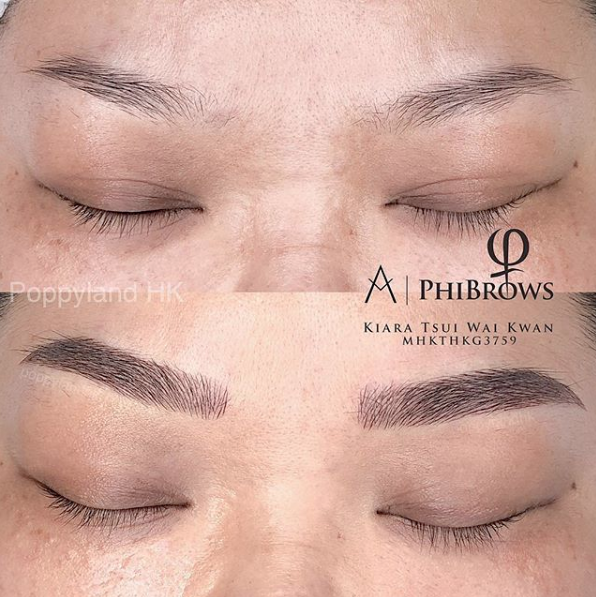
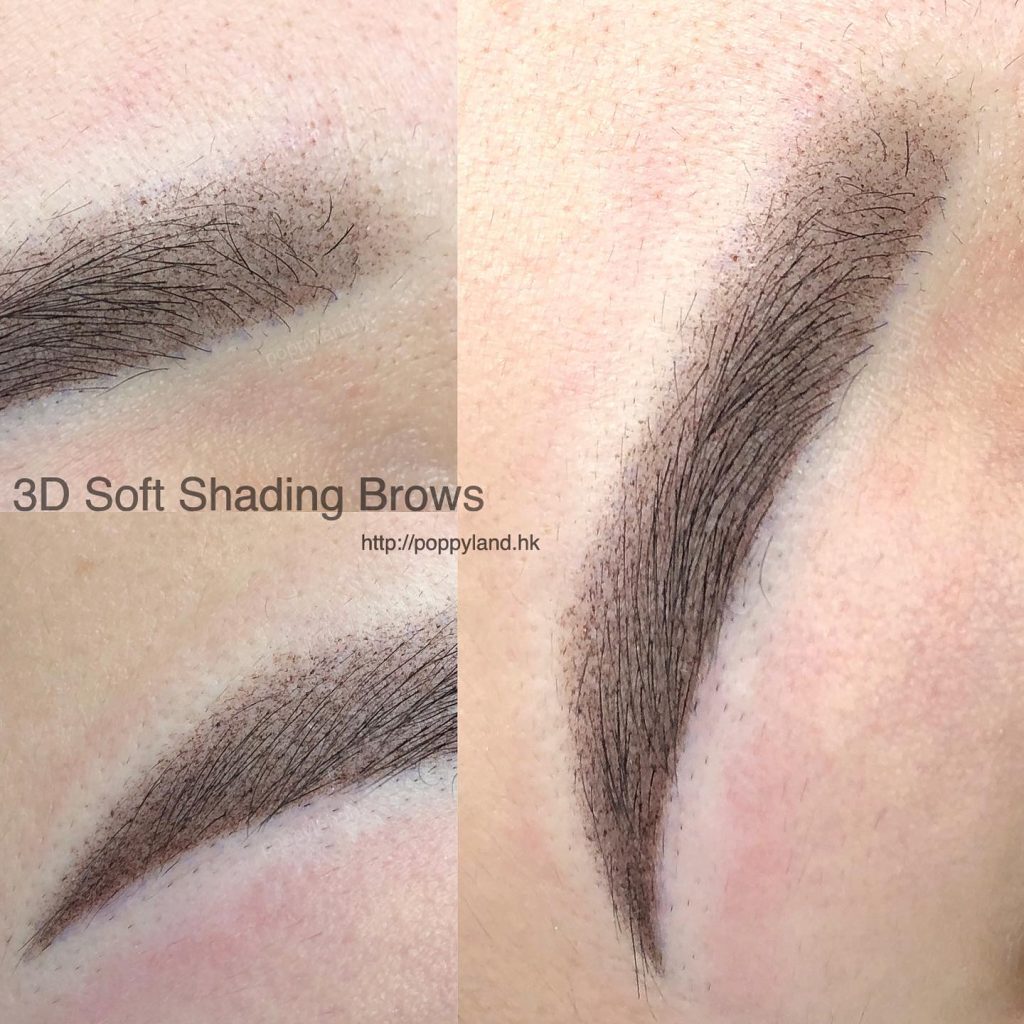
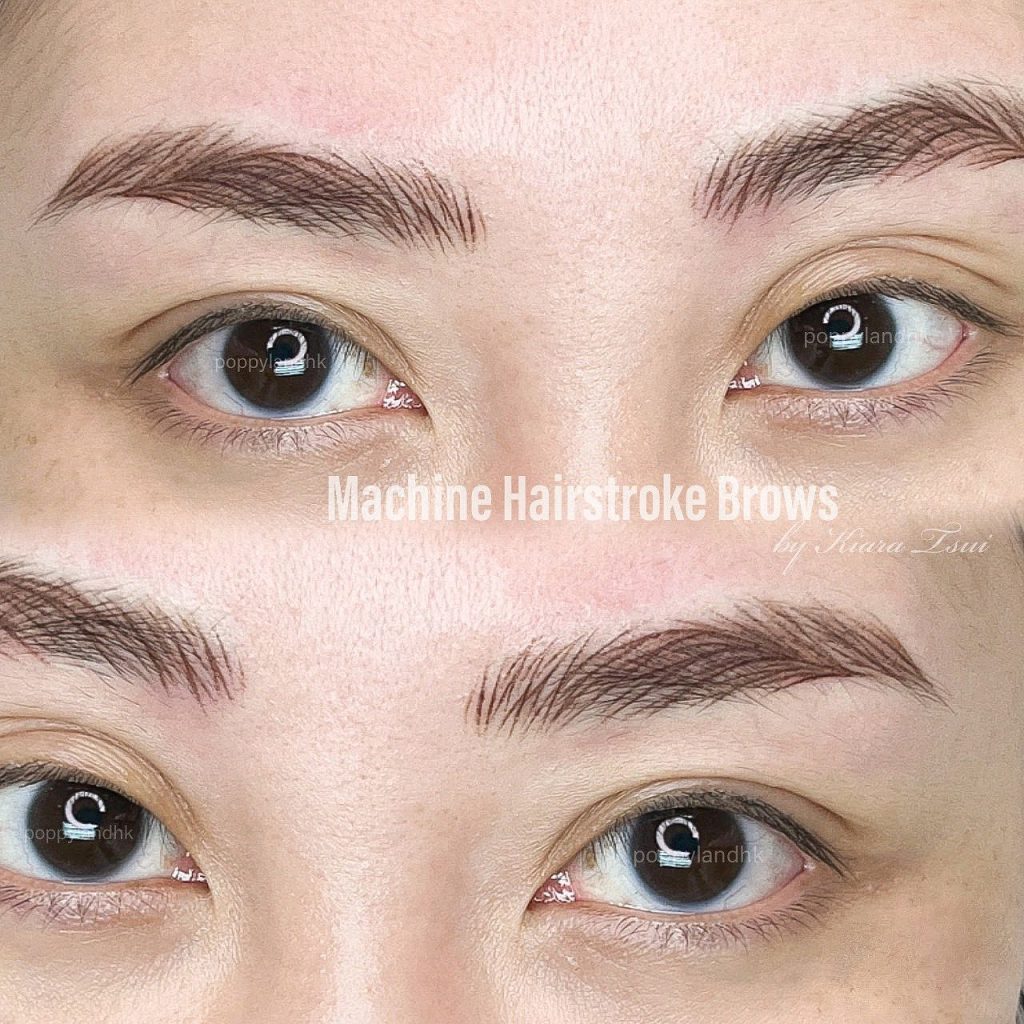
Choosing the right eyebrow permanent makeup technique comes down to your skin type, desired look, and long-term brow goals. While all three methods enhance your eyebrows, they utilize different tools, techniques, and pigment delivery systems to achieve distinct healed results.
Technical & Visual Comparison
| Feature | Microblading | Machine Powder Brows (Shading) | Machine Hairstrokes (Nano) |
|---|---|---|---|
| Primary Technique | Manual cutting using a fine, rowed micro-blade | Digital rotary machine with a single needle oscillating rapidly | Digital rotary machine with a single ultra-fine nano needle |
| Visual Result | Crisp, direct hair-like strokes | Soft, pixelated 3D ombré powder effect (like daily brow shadow) | Soft, multi-dimensional hair-like strokes |
| Best Skin Types | Normal to dry skin with fine pores | All skin types (including oily, sensitive, or mature skin) | All skin types (ideal for oily, textured, or delicate skin) |
| Trauma to Skin | Higher (incises upper dermis manually) | Low (gentle surface pixelation without cut incision) | Low (micro-punctures rather than slicing) |
| Longevity | 1–2 years | 1.5–2.5 years, fade evenly | 1.5–2.5 years, fade evenly |
| Healed Finish | Natural, sharp strokes (fades/blurs faster on oily skin) | Soft gradient/ombre finish: lighter fronts, defined tails | Realistic, fluffy hair strokes with different thickness that retain crispness longer |
| Best For | Sparse brows on dry/normal skin | Full makeup look, oily skin, covering old faint PMU | Hyper-realism & sparse brows on oily, sensitive, or compromised skin, or with old microblading |
Detailed Technique Breakdown
1. Microblading
- How It Works: A manual hand tool featuring a row of tiny needles cuts micro-channels into the epidermis to deposit pigment.
- The Look: Clean, precise strokes mimicking natural hair.
- Ideal Candidate: Normal to dry skin with good elasticity.
- Drawbacks: Not recommended for oily skin, large pores, or thin skin due to risk of pigment blurring or scarring over repeated touch-ups.
2. Machine Powder Brows
- How It Works: A digital machine uses a single needle to deposit thousands of tiny pigment pixels into the skin layer by layer.
- The Look: Soft, filled-in 3D ombre effect ranging from soft tint to defined pencil makeup.
- Ideal Candidate: Suitable for all skin types, especially oily, sensitive, or mature tissue.
- Drawbacks: Provides a shaded finish rather than individual hair strokes.
3. Machine Hairstrokes (Nano)
- How It Works: A specialized rotary machine deposits precise pigment dots in continuous ombre stroke paths without cutting the skin.
- The Look: 3D Multi-dimensional, flexible hair strokes following natural growth patterns.
- Ideal Candidate: Anyone seeking natural hair strokes, especially clients with oily or delicate skin unable to get microblading.
- Drawbacks: Requires high technical skill and precise needle depth control.
How to Choose the Right Technique
-
Assess Your Skin Type:
- Oily / Large Pores: Machine Powder Brows or Machine Hairstrokes retain crisp pigment far better than microblading.
- Dry / Normal: Performs exceptionally well across all three techniques.
- Sensitive / Mature / Thin: Machine techniques minimize tissue trauma and prevent long-term scarring.
-
Evaluate Your Daily Routine:
- Bare-faced / Minimalist: Microblading or Machine Hairstrokes deliver a soft, natural hair look.
- Makeup Look / Defined: Machine Powder Brows eliminate the need for daily brow makeup.
-
Consider Existing Natural Hair:
- Coarse / Patchy Growth: Machine Hairstrokes blend effortlessly into thick natural hair patterns.
- Alopecia / Ultra-Sparse: Machine Powder Brows or Hybrid/Combo brows with Machine Hairstrokes create essential depth across bare areas.